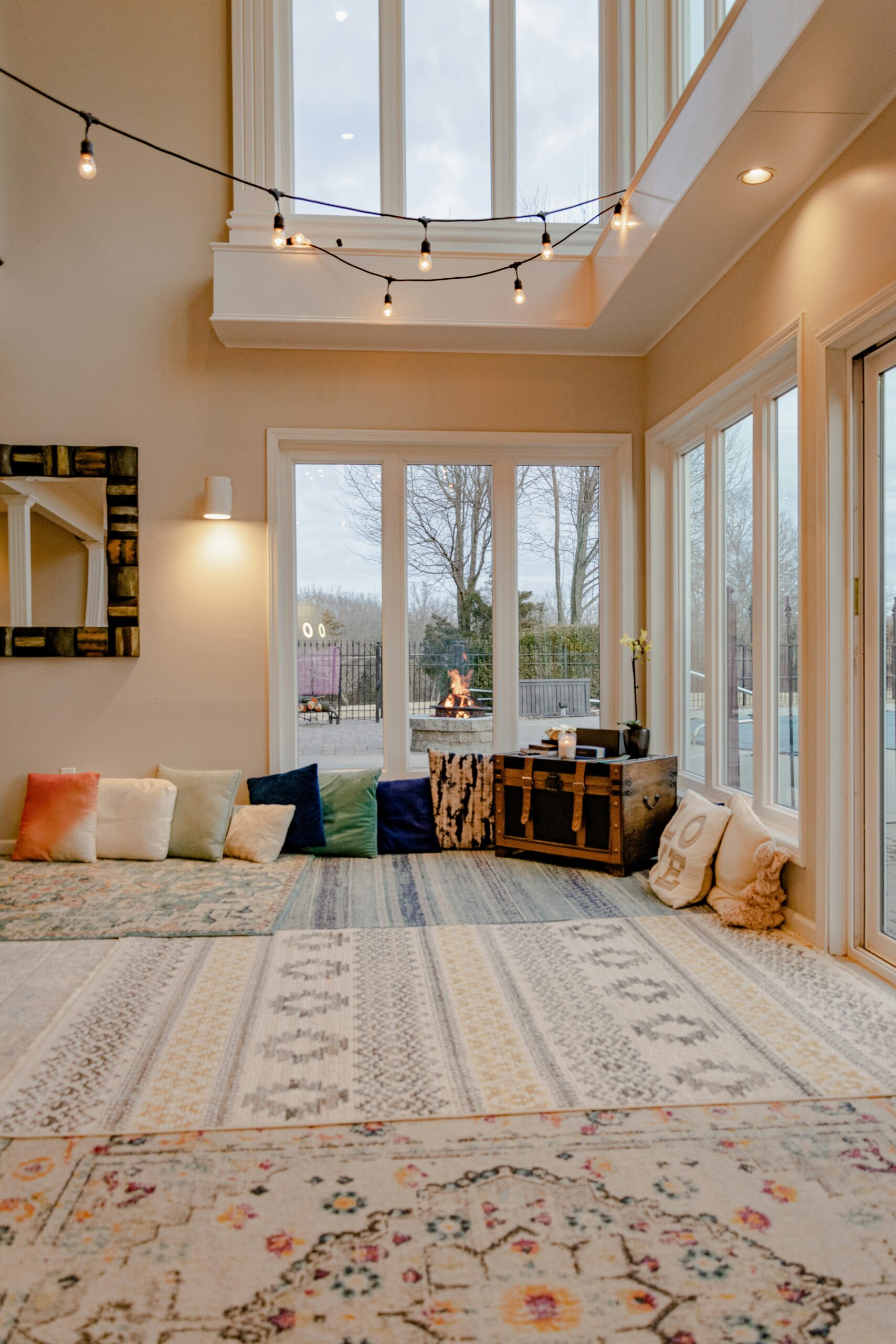
In the middle of busy schedules and constant responsibilities, many people forget the importance of having a place where they can simply breathe.
A sacred space does not have to be large, expensive, or perfect. It simply needs to be intentional.
A sacred space is any place where you can reconnect with yourself.
It is a place where your mind can slow down, your emotions can settle, and your spirit can feel supported.
Creating a sacred space can be one of the most powerful ways to support personal healing and emotional balance.
Why Our Environment Matters
Our surroundings influence our mental and emotional state more than we often realize.
Cluttered environments can create mental noise and stress. Busy spaces filled with constant distractions make it difficult for the mind to relax.
On the other hand, calm and intentional environments can promote clarity, focus, and emotional grounding.
When we create a space that reflects peace and intention, our nervous system responds.
The body begins to relax. The mind becomes more present. The space itself becomes a reminder to pause and reconnect.
Sacred Spaces Across Cultures
Throughout history, many cultures have created sacred spaces for reflection, prayer, meditation, and healing.
Temples, meditation rooms, altars, and quiet gardens have long served as places where people can reconnect with deeper parts of themselves.
These spaces are not powerful because of elaborate decorations, but because of the intention behind them.
They invite stillness.
Even in modern life, creating a small sacred space can serve the same purpose.
It becomes a place where we step away from noise and reconnect with our inner world.
Your Sacred Space Can Be Simple
Many people imagine that creating a sacred space requires a special room or expensive items.
In reality, it can be something very simple.
It might be a small corner of your bedroom.
A chair near a window.
A quiet place in your living room.
Or even a small table dedicated to reflection.
What matters most is that the space feels peaceful and intentional.
Some people like to include meaningful objects that support relaxation and reflection.
For example:
• candles
• plants or flowers
• journals
• crystals
• books that inspire reflection
• calming scents such as essential oils
These elements can help signal to the mind that this is a place for calm and presence.
Activities for Your Sacred Space
Once you have created a sacred space, you can use it in many ways to support emotional and mental wellness.
You might sit there to:
Journal your thoughts and feelings
Writing can help process emotions and gain clarity about personal experiences.
Practice meditation or breathing exercises
Even a few minutes of mindful breathing can help calm the nervous system and reduce stress.
Read something inspiring
Books, poetry, or spiritual texts can provide encouragement and perspective.
Reflect quietly
Sometimes the most healing thing we can do is simply sit quietly and observe our thoughts without judgment.
Over time, your sacred space becomes associated with calm, healing, and personal reflection.
Just entering the space can begin to shift your mindset.
Creating a Ritual Around Your Space
Rituals can strengthen the emotional connection we have with our sacred spaces.
Simple actions such as lighting a candle, playing soft music, or taking a few deep breaths can mark the transition from busy activity into mindful presence.
These small rituals help the mind understand that this moment is different from the rest of the day.
It becomes a pause for the soul.
The Importance of Consistency
Like many wellness practices, the power of a sacred space grows with consistency.
You do not need to spend long periods of time there.
Even five or ten minutes a day can be meaningful.
Regular moments of reflection help us reconnect with our thoughts, emotions, and intentions.
They remind us that our inner world deserves attention and care.
A Space for Healing
For people who are going through emotional challenges, a sacred space can become a safe place for healing.
It can be where we process grief, release stress, or reconnect with hope.
It becomes a place where we remember that we are allowed to slow down.
In a fast-paced world, having a place to breathe is not a luxury.
It is a form of self-care.
Your Sacred Space Is Yours
There is no correct way to create a sacred space.
It does not need to follow any specific tradition or rule.
The most important thing is that it feels authentic to you.
Your sacred space is simply a reminder that you deserve moments of peace.
And sometimes, those quiet moments are where the deepest healing begins.